

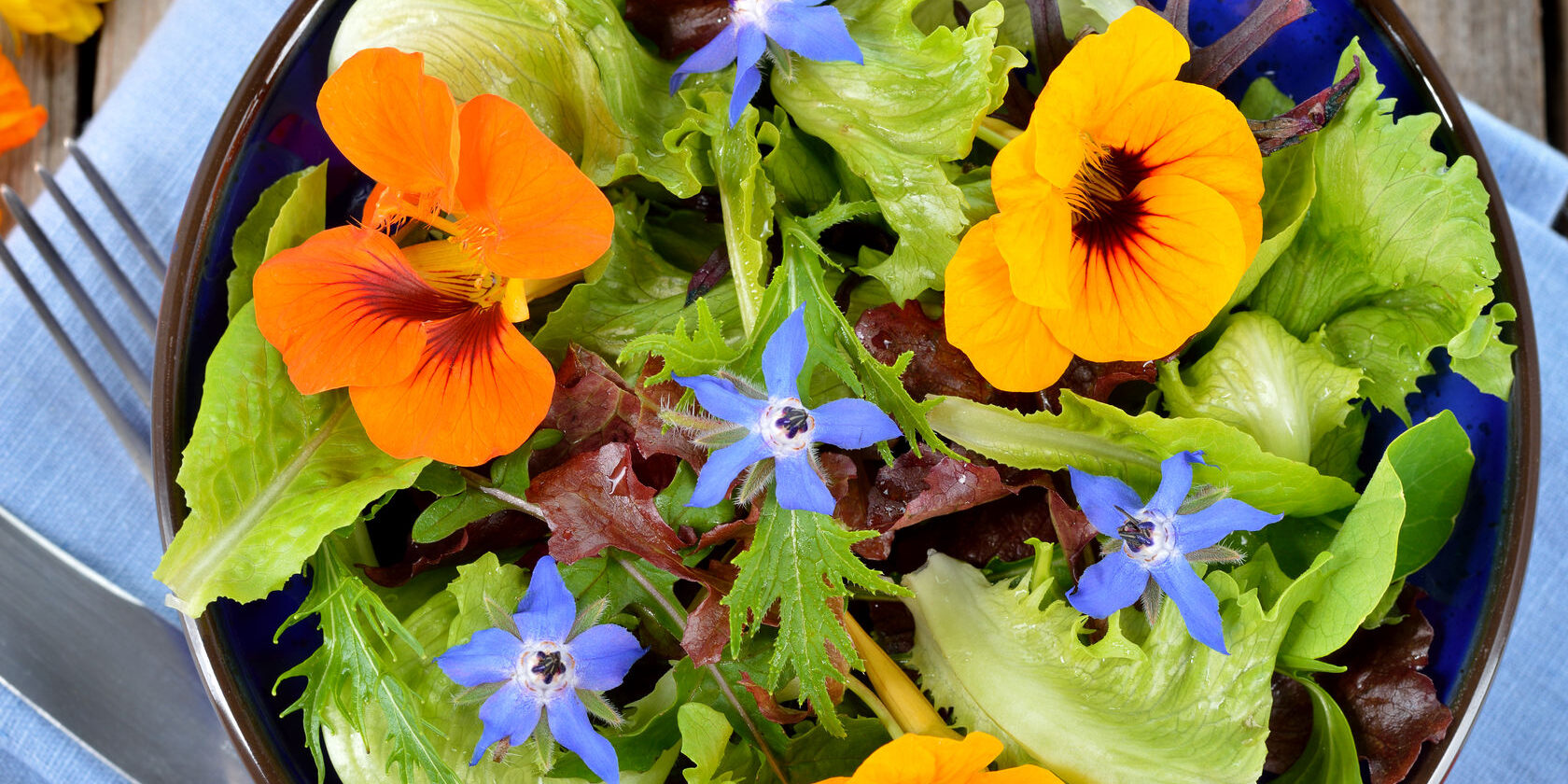
One of the simplest and most powerful nutrition tips I give clients is:
“Eat the rainbow — every day.”
This isn’t about candy or artificial colors. It’s about filling your plate with a wide variety of colorful fruits and vegetables. Each natural color comes from unique compounds called phytonutrients, which have distinct benefits for your body and mind.
As a health coach, I’ve seen how adopting this one habit can transform energy, digestion, immunity, and even mood.
Why Color Matters
Plants produce pigments not just for beauty but for survival — they help protect the plant from sunlight, pests, and disease. Those same pigments, when we eat them, help protect our cells and support vital functions.
-
Red foods (tomatoes, strawberries, beets) contain lycopene and anthocyanins, which support heart health and help reduce inflammation.
-
Orange and yellow foods (carrots, pumpkin, bell peppers) are rich in beta-carotene, important for vision, immunity, and skin health.
-
Green foods (leafy greens, broccoli, cucumbers) are packed with chlorophyll, folate, magnesium, and vitamin K, supporting detoxification, bone health, and gut function.
-
Blue and purple foods (blueberries, eggplant, purple cabbage) contain anthocyanins, powerful antioxidants that support brain health and healthy aging.
-
White and tan foods (garlic, onions, mushrooms, cauliflower) often contain allicin and sulfur compounds that boost immune defense and help balance inflammation.
When you eat across the color spectrum, you get a diverse range of antioxidants, vitamins, minerals, and plant compounds that work together to strengthen your immune system, support the gut microbiome, protect your heart, and nourish the brain.
Health Benefits Backed by Research
Studies show that a diet rich in a variety of colorful fruits and vegetables is linked to:
-
Lower risk of chronic diseases such as heart disease, diabetes, and certain cancers.
-
Reduced oxidative stress and inflammation, which supports healthy aging.
-
Improved gut microbiome diversity, which influences digestion, immunity, and mood.
-
Better cognitive function and mental well-being due to the antioxidant and anti-inflammatory effects of phytonutrients.
From a health coaching perspective, these benefits often translate into more energy, improved focus, better sleep, and greater resilience against stress.
How to Eat the Rainbow Effectively
-
Start with One Color per Meal
Aim to have at least two different colors on your plate at every meal. -
Mix It Up Throughout the Week
Rotate seasonal produce to keep things interesting and maximize your exposure to different phytonutrients. -
Don’t Forget Herbs and Spices
Fresh herbs like parsley, cilantro, basil, and turmeric add both color and powerful anti-inflammatory compounds. -
Shop Seasonally and Locally
Seasonal produce often has higher nutrient density and better flavor. -
Keep It Simple
A smoothie with spinach, berries, and banana; a salad with red cabbage, carrots, and pumpkin seeds; or a roasted veggie tray with colorful bell peppers and beets are all easy ways to get your colors in.
The Mind–Gut–Earth Connection
A colorful plate starts with healthy soil. Plants grown in nutrient-rich soil tend to contain higher levels of vitamins, minerals, and phytonutrients. Supporting local farmers who use regenerative practices not only improves your health but also contributes to healthier ecosystems.
Key Takeaways
-
Each color in fruits and vegetables offers unique health benefits.
-
Eating a rainbow daily helps cover a wide spectrum of antioxidants, vitamins, and minerals.
-
A colorful diet supports gut health, immunity, heart and brain function, and emotional well-being.
-
Start simple — add one extra color to each meal and build from there.
Selected Scholarly References
-
Liu RH. “Health benefits of fruit and vegetables are from additive and synergistic combinations of phytochemicals.” Am J Clin Nutr. 2003;78(3 Suppl):517S-520S.
-
Slavin JL, Lloyd B. “Health benefits of fruits and vegetables.” Adv Nutr. 2012;3(4):506-516.
-
Wallace TC, Bailey RL, Blumberg JB. “Fruits, vegetables, and health: a comprehensive narrative, umbrella review of the science and recommendations for enhanced public policy to improve intake.” Crit Rev Food Sci Nutr. 2020;60(13):2174-2211.
-
Gerhauser C. “Impact of dietary plant compounds on cancer development and progression.” Anticancer Agents Med Chem. 2011;11(7):675-691.
-
Wu GD, et al. “Linking long-term dietary patterns with gut microbial enterotypes.” Science. 2011;334(6052):105-108.
-
Tilman D, Clark M. “Global diets link environmental sustainability and human health.” Nature. 2014;515:518-522.


